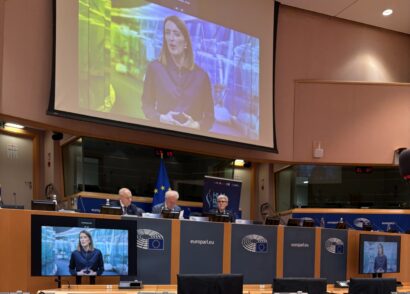
 A High-Level Meeting on Rare Diseases (HLM Rare 2025) was held in Brussels on 9–11 December 2025, bringing together EU policymakers, researchers, clinicians, industry representatives, and patient organisations. The meeting focused on shaping a European Declaration to strengthen the rare disease research and innovation (R&I) ecosystem across Europe, with the ultimate goal of improving patient outcomes.
Discussions centred on building a more coordinated and sustainable European approach to rare diseases, with particular emphasis on research infrastructure, data, and digital innovation (including artificial intelligence and patient registries), as well as long-term funding. The meeting built on recommendations from major EU strategic reports, including those by Draghi and Letta, and highlighted the essential role of the 24 European Reference Networks (ERNs) in delivering highly specialised care and driving collaboration across Member States.
Key goals and themes
- European Declaration: Securing a formal EU-level commitment to a sustainable and coherent rare disease R&I ecosystem.
- Research and innovation: Strengthening research capacity, infrastructure (including ERNs), data sharing, AI applications, patient registries, and specialist skills.
- Policy and funding: Aligning policy frameworks and advocating for dedicated funding within the EU Multiannual Financial Framework (MFF) 2028–2034.
- Stakeholder collaboration: Fostering closer cooperation between policymakers, clinicians, researchers, industry, and patient representatives.
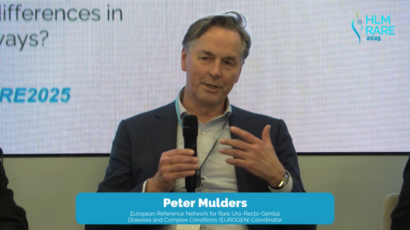 ERN eUROGEN was represented at the event by Professor Peter Mulders, Coordinator, and Michelle Battye, Programme Manager. Professor Mulders signed the European Declaration on behalf of ERN eUROGEN, reaffirming the network’s commitment to strengthening rare disease research, innovation, and care at the European level.
The Declaration is a key advocacy tool for highlighting the need to give greater priority to health within EU policy and to secure sustainable funding for the coordination of the 24 ERNs. Patient advocates underlined the urgency of this commitment, noting that an estimated 30 million people in Europe are affected by rare diseases and rely on strong, well-resourced European collaboration to access timely diagnosis, expert care, and innovative treatments.